How to Choose Fishkill Paving Contractor for Professional Asphalt Solutions
How to Choose Fishkill Paving Contractor for Professional Asphalt Solutions
Blog Article
Dependable Paving Contractor for Sturdy Driveways and Roads
Appointing a reliable surfacing expert is critical for creating durable streets and lanes. Strategic selection ensures resilience and caliber in pavement projects. Factors comprising credentials, client testimonials, and material expertise greatly influence the success. Comprehending the nuances of pricing and aftercare can equally strengthen the decision-making process. As property owners consider their options, several vital considerations require careful evaluation to secure a satisfactory investment. What areas deserve emphasis in their inquiry?
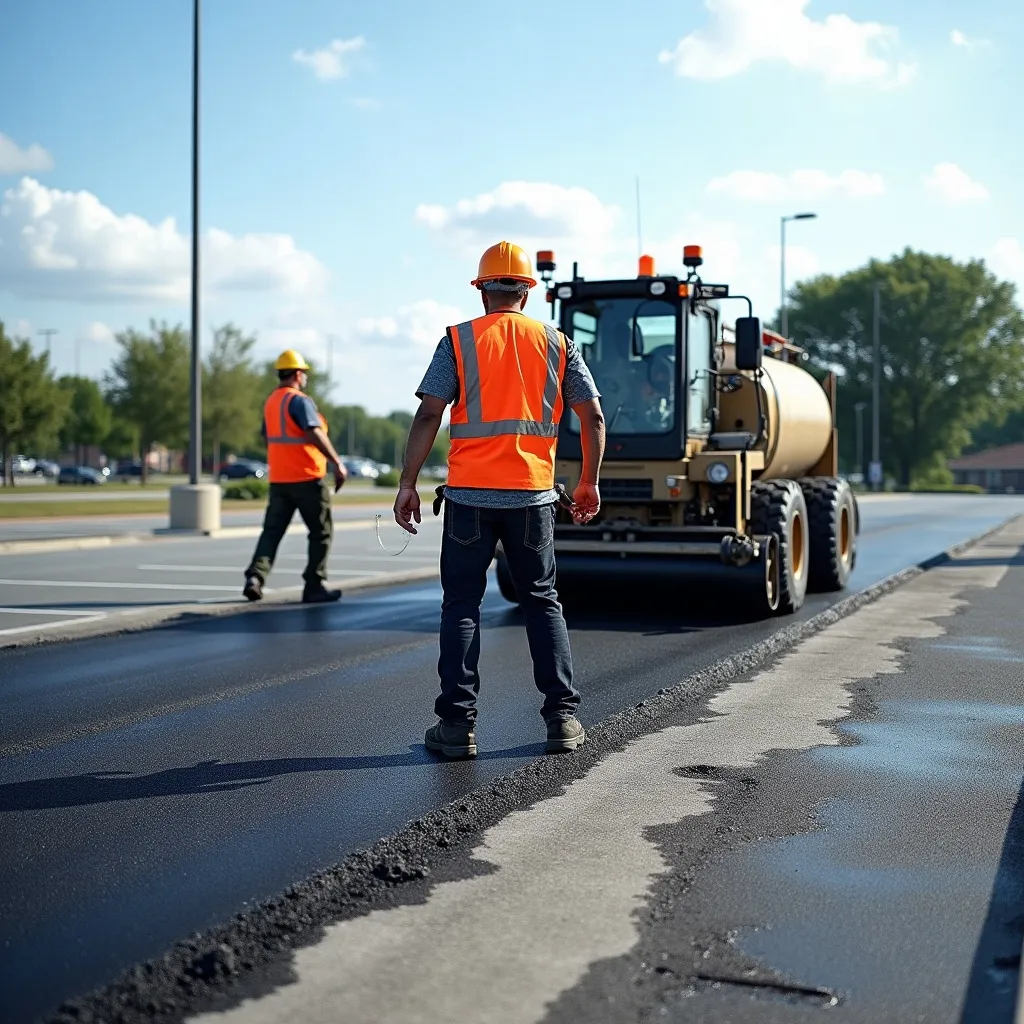
Tips for Selecting an Skilled Paving Contractor
When choosing an veteran paving contractor, one might wonder what key factors to evaluate. First, it is essential to check the contractor's qualifications, including licenses and insurance, to verify compliance with local regulations and protection against liabilities. Next, examining customer testimonials and past project portfolios can provide insight into the contractor's quality of work and dependability.
Additionally, receiving multiple estimates can facilitate gauge the market rate for services and identify any red flags, such as remarkably low bids. Experience in specific paving types, such as residential driveways or commercial parking lots, is another key consideration, as in-depth knowledge often leads to better outcomes. Communication skills are also important; a contractor should be responsive and willing to address questions or concerns. Finally, evaluating warranties or guarantees offered can indicate the contractor’s confidence in their work and commitment to customer satisfaction.
Excellent Choices for Your Driveway Space
When choosing materials for a driveway, homeowners regularly assess the advantages and disadvantages of asphalt and concrete. Each option delivers unique characteristics that can impact durability and cost. Additionally, gravel provides a more cost-effective alternative but comes with its own set of pros and cons.
Evaluating Asphalt against Concrete Alternatives
Which option provides the best equilibrium of longevity and cost for driveway surfaces: asphalt or concrete? Asphalt is frequently favored for its reduced initial cost and faster installation procedure. It typically provides a sleek finish that can withstand harsh weather conditions, making it a practical option for numerous property owners. However, asphalt requires frequent upkeep, including coating and resurfacing, to extend its longevity.
By contrast, concrete is known for its longevity and low maintenance obligations. When correctly installed, concrete driveways can last over 30 years. Further, concrete delivers a spectrum of aesthetic selections, including ornamental treatments. While the starting investment is higher, the reduced upkeep needs can function as a cost-effective remedy over time. Ultimately, the determination rests on personal tastes and spending limit.
Advantages and Disadvantages of Gravel
While asphalt and concrete are well-liked choices for driveways, gravel also serves as a workable option with its own strengths and weaknesses. One major advantage of gravel is its cost-effectiveness; it typically demands a reduced upfront cost compared to asphalt and concrete. Additionally, gravel provides excellent drainage, minimizing the chance of water pooling. However, it is not free from challenges. Gravel driveways can require regular maintenance, such as routine refilling and leveling to preserve a level appearance. Furthermore, they may pose problems with erosion and can be less stable for high-traffic areas. Ultimately, the choice regarding gravel should consider both its affordability and the homeowner's willingness to invest in continuous maintenance.
Evaluating Customer Feedback: What to Consider
How can potential customers determine the quality of a paving contractor through client reviews? Reviewing these reviews requires attention to specific factors. First, customers should focus on overall ratings; a high average score often indicates satisfactory service. Next, the volume of reviews is vital; a greater number provides a more reliable picture of the contractor's performance.
Clients should also scrutinize the details of individual assessments. Positive feedback about timeliness, communication, and caliber of work is important. Additionally, recurring themes in adverse reviews, such as weak customer service or project delays, can signal potential pitfalls.
Furthermore, replies from the contractor to reviews display their dedication and expertise to customer satisfaction. In conclusion, consider testimonials from various platforms to achieve a comprehensive understanding. By focusing on these factors, potential clients can make educated decisions concerning their asphalt paving professional.
Important Queries You Should Present to Your Asphalt Contractor?
Deciding on a surfacing contractor means asking key questions, which can dramatically change the project's final outcome. It is vital to inquire into their professional experience and what types of assignments they have executed. Understanding their thinking on materials and techniques will also illuminate the standard of quality you are certain to get.
Prospective customers should inquire regarding insurance and licensing to guarantee the contractor satisfies regulatory standards and is safeguarded from possible financial risks. Additionally, discussing the timeline for project completion and any potential delays is essential.
Asking about warranties on both supplies and construction quality can shield the financial commitment. In conclusion, it's helpful to seek references or illustrations of previous work to determine the contractor's reliability and execution. These inquiries associated article not only outline goals but also establish a groundwork for productive dialogue during the project.
Paving Expenses: What to Anticipate
Understanding paving costs is essential for homeowners planning a project. Various factors, including material options and costs, significantly affect the overall expense. Additionally, evaluating long-term value can assist in making well-considered choices about paving investments.
Factors Impacting Paving Costs
Numerous variables determine paving costs, making it essential for property owners to recognize the variables at play. One notable aspect is the size of the area to be paved; larger spaces typically require higher costs due to increased material and labor requirements. Additionally, site conditions, such as soil quality and drainage, can impact pricing, as extensive preparation may be needed. Local labor rates also play an vital role; areas with a higher cost of living often have elevated labor expenses. Moreover, the complexity of the project, including intricate designs or existing structures, can lead to additional costs. Finally, seasonal factors may determine pricing, as contractors often adjust rates based on demand fluctuations throughout the year.
Available Material Alternatives and Cost Structure
Various paving materials greatly impact overall paving expenses, each bringing unique benefits and price ranges. Asphalt, celebrated for its affordability and quick installation, typically ranges from $3 to $5 per square foot. Concrete, although longer-lasting, can cost between $4 and $8 per square foot, contingent upon finish and thickness. Pavers, constructed from brick or stone, offer aesthetic appeal but usually fall from $10 to $20 per square foot, including installation. In addition, permeable paving systems, that enable water drainage, may cost more because of their high-tech materials and installation techniques. Homeowners must consider these options thoughtfully, balancing initial costs with desired longevity and required functionality for their driveways and roads.
Sustained Growth Considerations
When selecting paving materials, long-term value proves essential in the overall decision-making process. Homeowners and contractors alike must evaluate not only the upfront expenses but also the durability, upkeep, and service life of the selected options. Asphalt, for instance, may provide lower upfront costs but could require more regular maintenance versus concrete, which is typically more durable over time. Additionally, factors such as regional climate and usage intensity can influence the durability of the pavement. Choosing premium options may result in greater upfront costs, yet this choice can result in lower upkeep expenses and prolonged durability, ultimately delivering superior worth. A thorough evaluation of these elements ensures informed decisions for sustainable paving solutions.
Importance of Warranties and Post-purchase Services
When picking a reliable paving contractor, the importance of warranties and maintenance services should not be ignored. Warranties serve as a protection for clients, guaranteeing that any problems in materials or workmanship are addressed without extra costs. A reputable contractor typically provides a broad warranty that reflects their confidence in the standard of their work.
Moreover, follow-up support prove essential in preserving the durability of paved surfaces. Periodic maintenance, such as surface treatment and crack patching, helps prevent more significant harm and substantial repairs in the future. A contractor that offers continuous support conveys their commitment to customer satisfaction and the durability of their work.
Consequently, guarantees and follow-up care not only add to the worth of the initial investment but also grant comfort for homeowners and businesses alike. A solid contractor places importance on these elements, developing confidence and enduring relationships with customers.
Common Questions Posed Often
How much time does the asphalt installation typically take?
Asphalt installation typically takes one to three days, based on the size and complexity of the project. Elements such as weather, ground readiness, and material selection can also impact the overall timeline significantly.
Which Atmospheric Conditions Effect Paving Projects?
Weather circumstances greatly impact paving work. Rain, snow, and extreme temperatures can delay projects, while humidity levels impact the curing process. Ideal conditions, typically dry and mild, provide better adhesion and durability of the pavement.
What's the Best Way to Care For My New Driveway?
A new driveway needs consistent cleaning, regular sealant treatments, and immediate crack fixes for optimal performance. Limiting heavy loads and utilizing proper snow removal methods help extend its service life and improve its aesthetic value.
What sustainable pavement alternatives are accessible currently?
Yes, various green paving alternatives exist, such as permeable pavers, recycled asphalt, and concrete alternatives made from renewable resources. These choices minimize environmental impact while supplying functional and durable surfaces for walkways and driveways.
Will I Require a License for Paving Projects?
Permits are generally mandatory for paving projects, in accordance with local regulations. Homeowners should reach out to their local authorities to figure out specific requirements, verifying adherence and reducing potential fines or project delays during construction.
Report this page